Technology Powering Space Exploration

From advanced satellites to AI-driven research, explore the innovations that make European space missions possible.
Advanced Satellite Systems

European satellites represent the pinnacle of space engineering. From the Sentinel constellation monitoring Earth's environment to communication satellites connecting continents, European technology leads the way in orbital systems.

  • Multi-spectral imaging with sub-meter resolution
  • Electric propulsion systems for orbit maintenance
  • Advanced solar panel designs with 30%+ efficiency
  • Autonomous collision avoidance systems
🌍 SAT Satellite Network Low Earth Orbit — 500km altitude
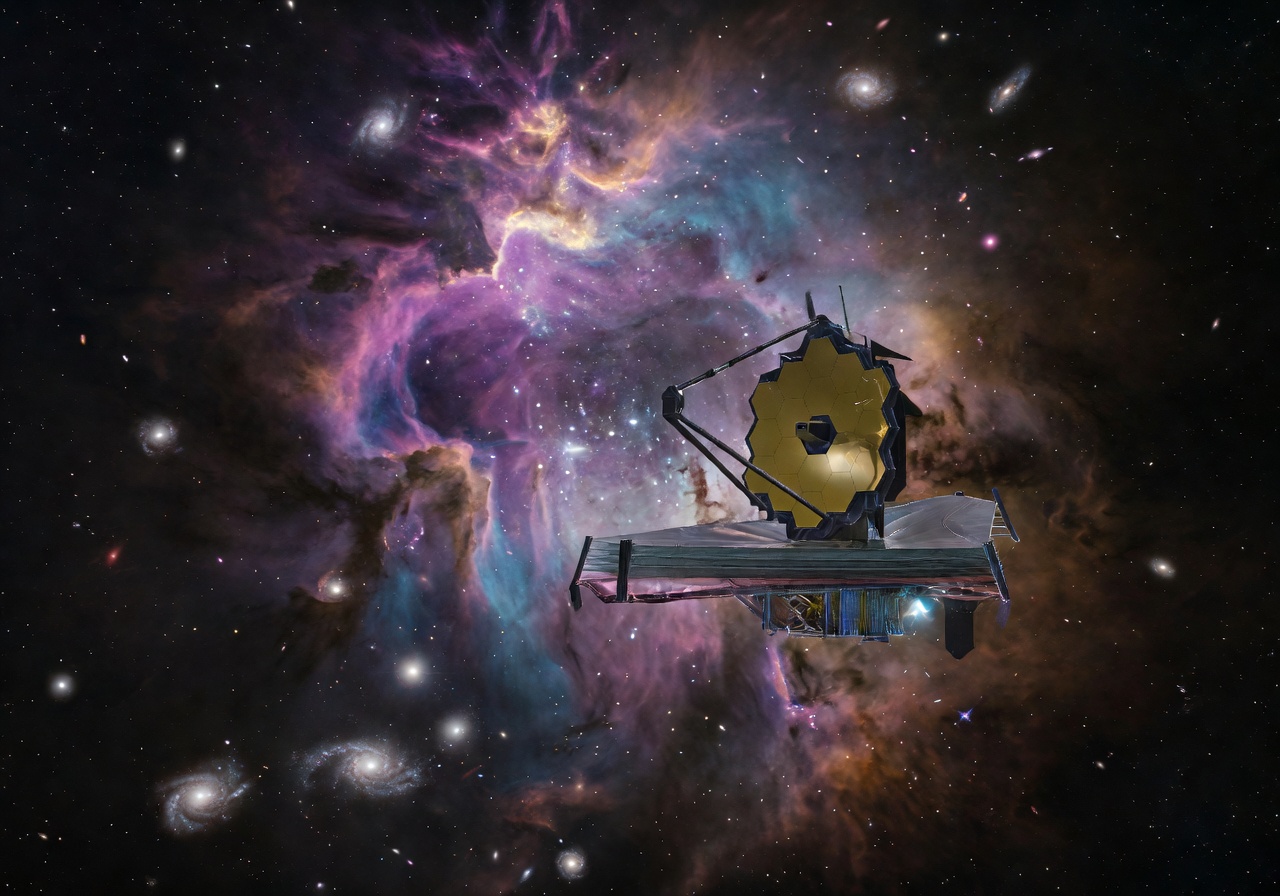
Space telescope capturing deep space nebula and distant galaxies
James Webb & European Contributions

Observing the Universe

Europe has been at the forefront of space-based astronomy. From contributing instruments to the Hubble Space Telescope to leading the Euclid mission studying dark energy, European telescopes peer into the deepest reaches of the cosmos.

  • Infrared and X-ray detection capabilities
  • Adaptive optics for ultra-sharp imaging
  • Cryogenic cooling to near absolute zero
  • Wide-field survey capabilities

European Rockets

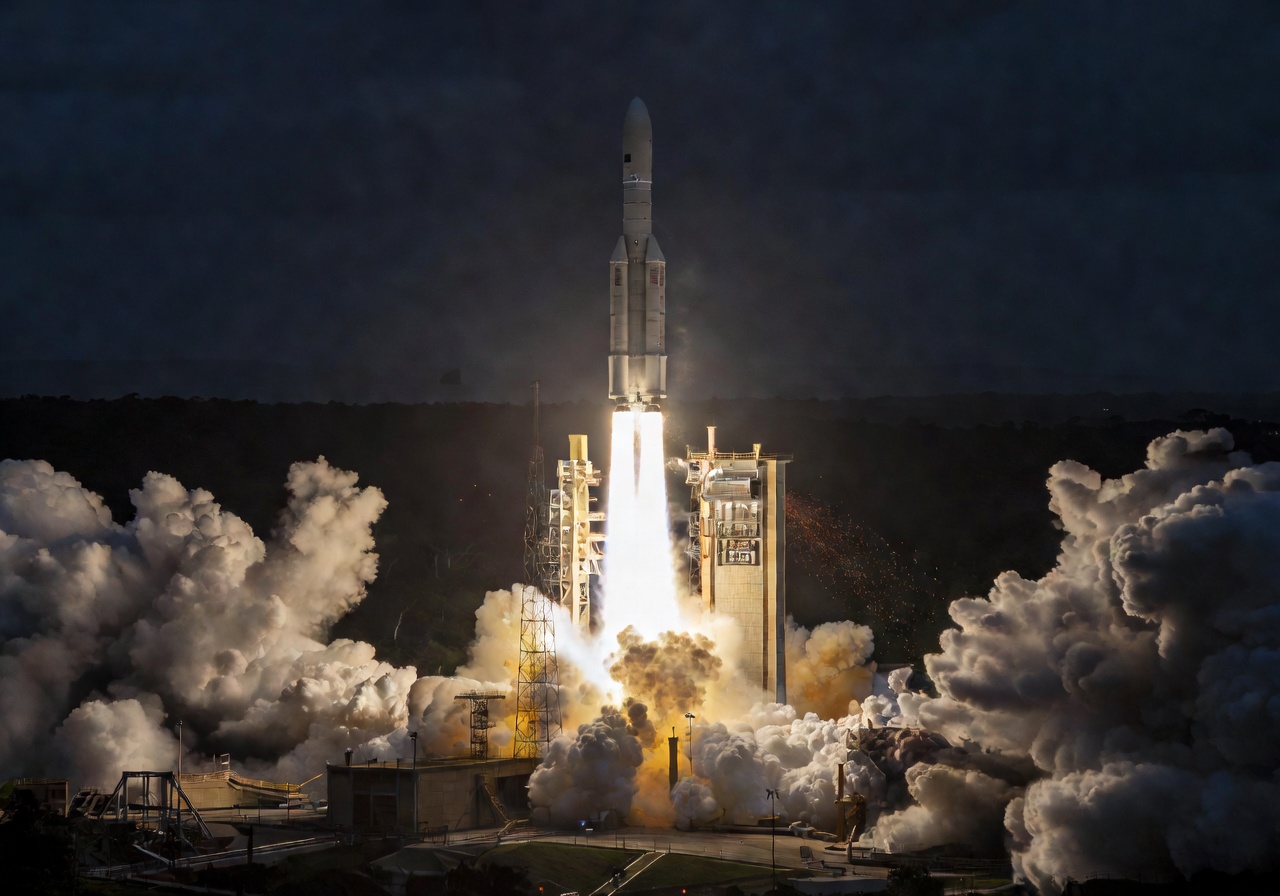
The Ariane family of rockets has been Europe's gateway to space for decades. From the iconic Ariane 5 to the next-generation Ariane 6, European launch vehicles ensure independent access to space for science, commerce, and defense.

  • Ariane 6 — Next-gen heavy-lift launcher
  • Vega-C — Small satellite launcher
  • Reusable engine technology development
  • Green propulsion research initiatives
Ariane rocket launching at night from European spaceport in Kourou
Ariane Launch from Kourou

Artificial Intelligence in Space Research

Machine learning and AI are revolutionizing how we explore and understand the cosmos.

🧠

Autonomous Navigation

AI-powered systems enable spacecraft to navigate autonomously, making real-time decisions millions of kilometers from Earth without human intervention.

📊

Data Analysis

Machine learning algorithms process terabytes of satellite imagery and sensor data daily, identifying patterns impossible for humans to detect.

🔍

Anomaly Detection

AI monitors spacecraft health in real-time, predicting component failures before they happen and optimizing mission operations.

🌌

Exoplanet Discovery

Neural networks analyze stellar light curves to identify exoplanets, accelerating the search for potentially habitable worlds.